Chapter One · September 14, 2019
A truck. Thirty-two crates. One family standing at a door that hadn't opened in three days.
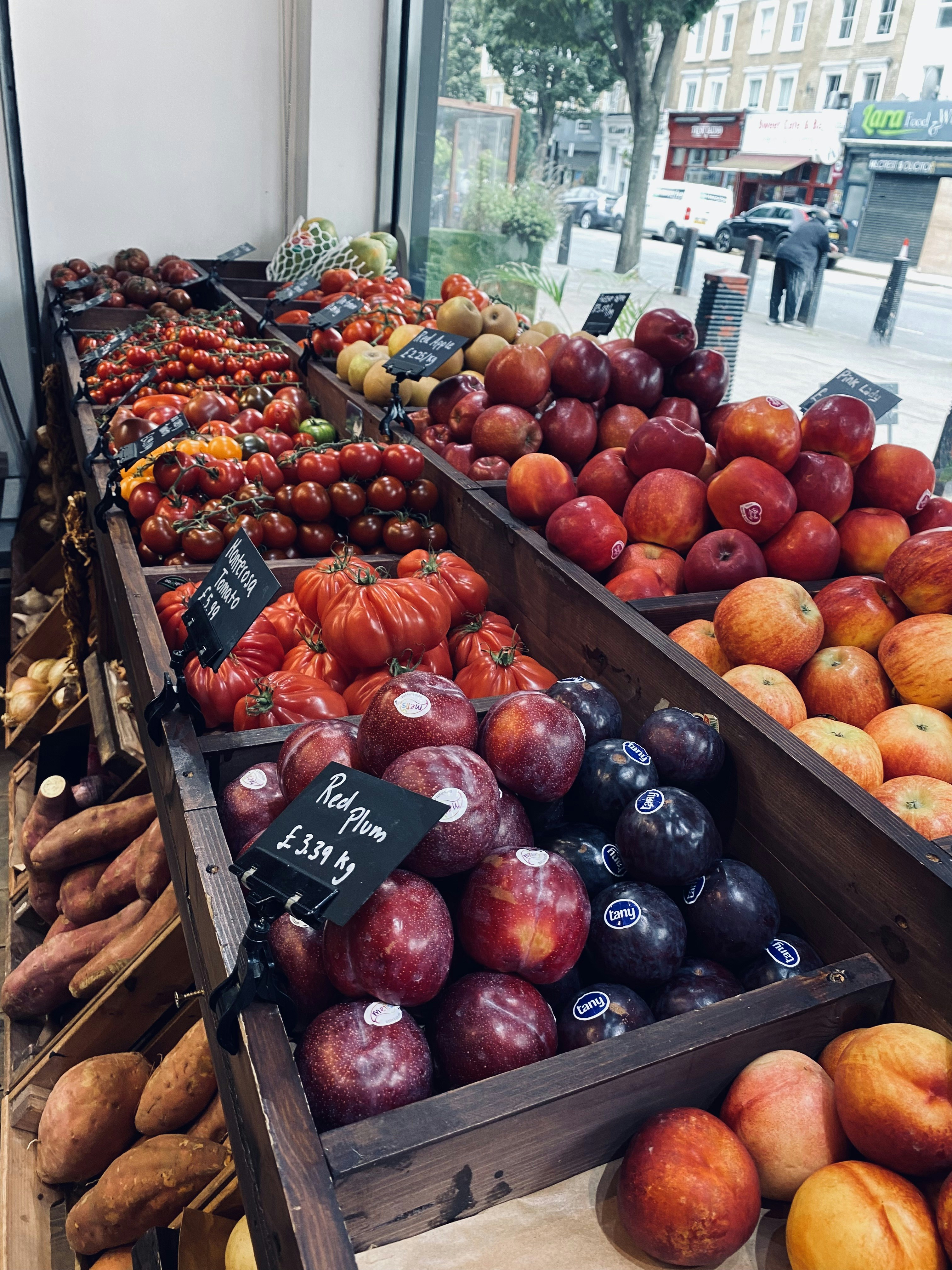
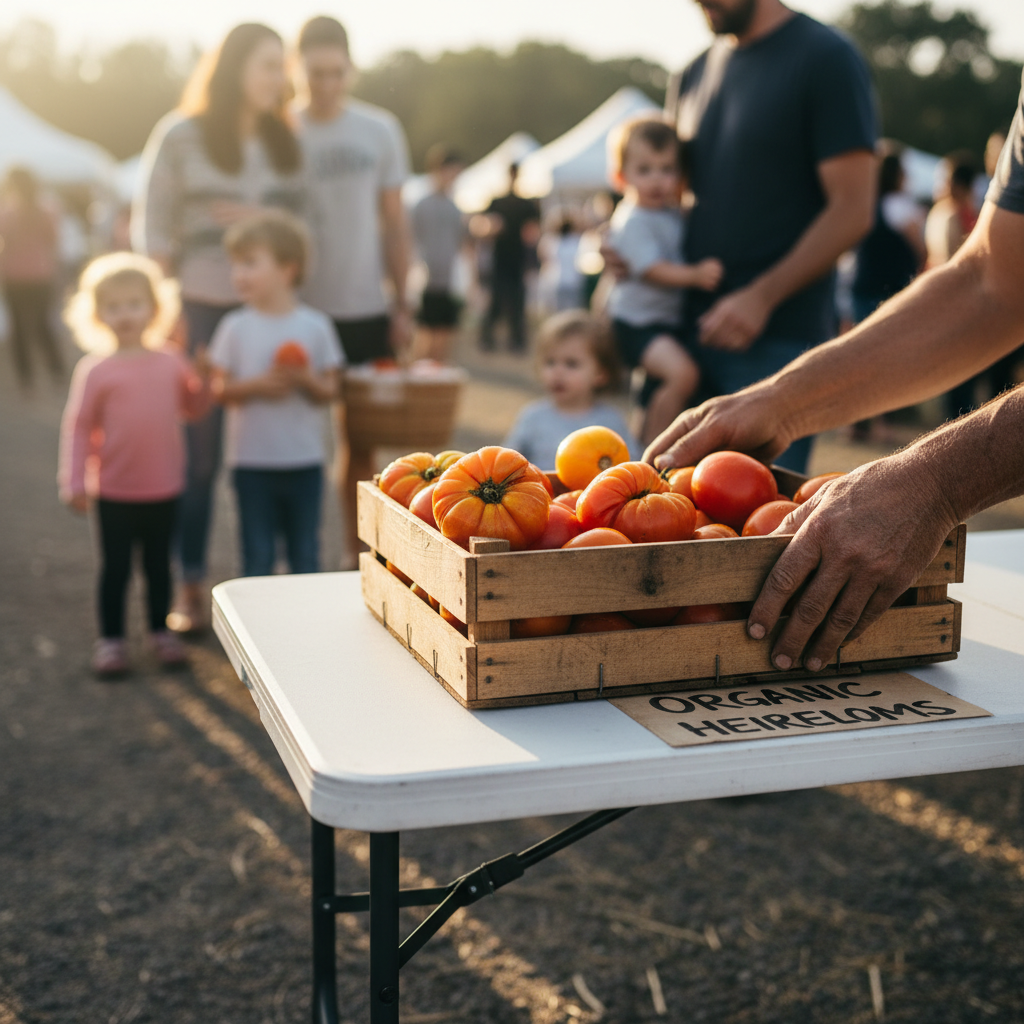
It started the way most necessary things do — not with a plan, but with a phone call. Elena Vásquez, a third-generation farmer in Millbrook County, had watched eleven hundred pounds of heirloom tomatoes begin to soften in the afternoon heat. The processing co-op had cancelled. The distributor had passed. The tomatoes had maybe forty-eight hours.
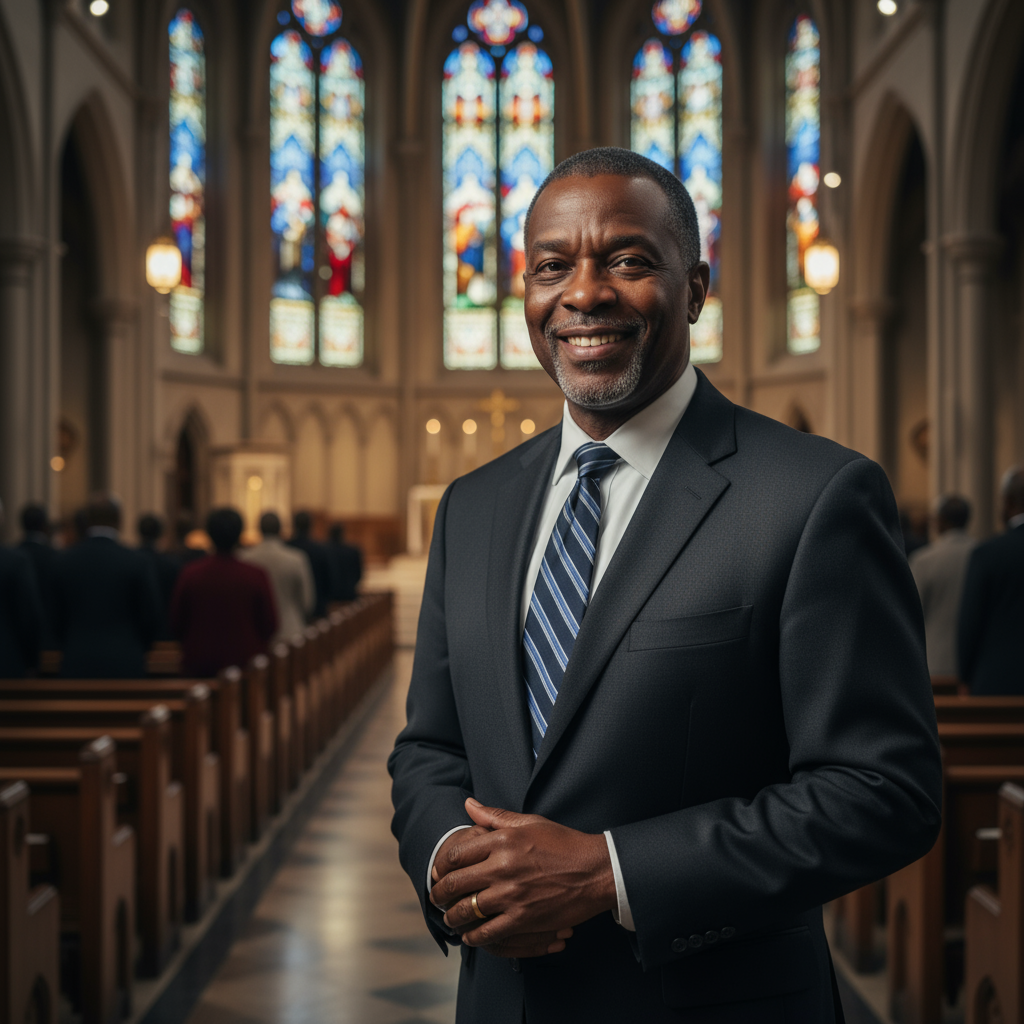
Marcus Webb, a deacon at New Covenant Church two towns over, had a list. Forty-seven families. He'd been working it all week — calling, knocking, dropping off what he could from the church pantry's dwindling shelves. When Elena called the county extension office, someone gave her Marcus's number.
By nine that evening, Elena's truck was backed up to the fellowship hall. By ten, every crate had a name on it.
"By ten that evening, every crate had a name on it."
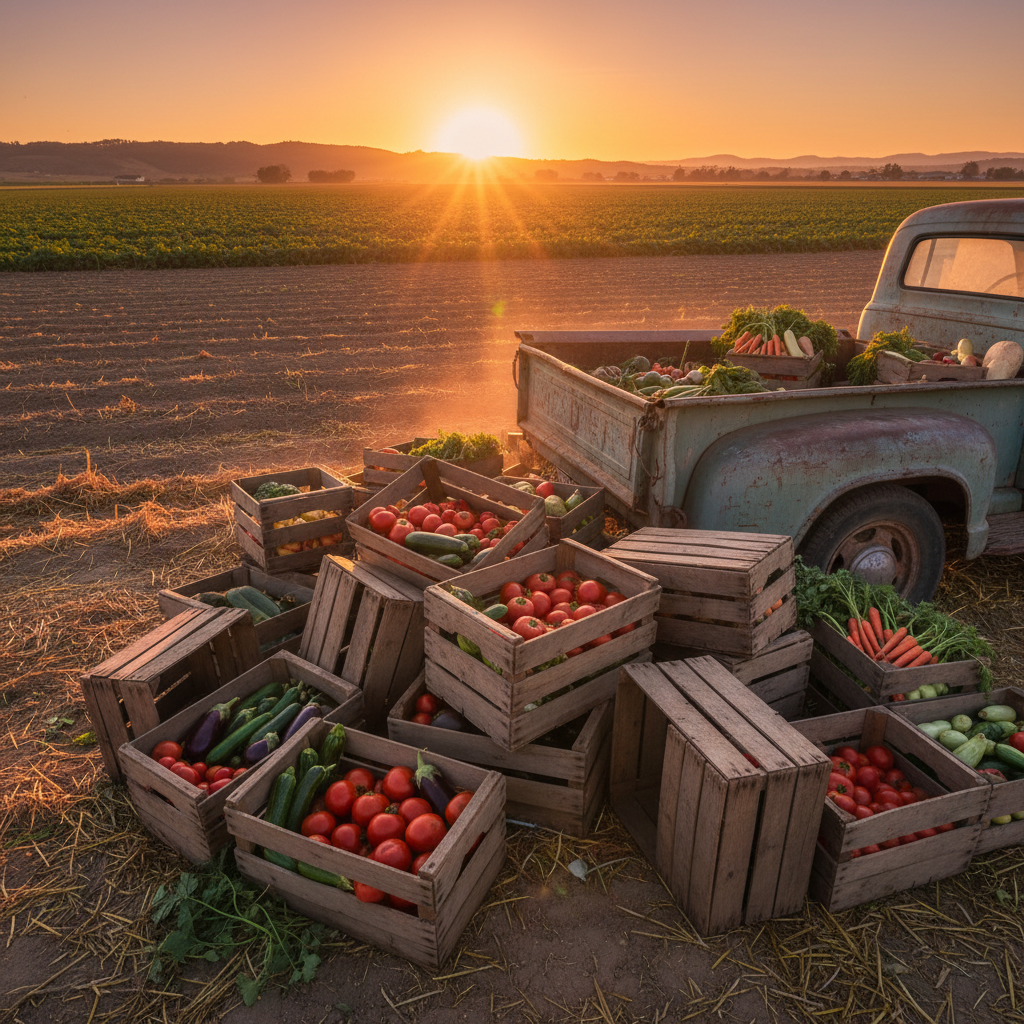
Vásquez Family Farm, Millbrook County. September 2019.
Chapter Two · 2019 – 2023
The Route Map — Miles Shortened
2019
2020
2021
2022
2023
One rescue route. Then ten. Then a county-wide model that other regions started calling about.
Word moves fast in farm country. By spring 2020, four more farmers had called Elena. Three more churches had called Marcus. Harvest wasn't an organization yet — it was a practice, a habit, a reflex that spread person to person the way good habits do: because someone saw it work.
In 2021, Harvest incorporated as a 501(c)(3). The same year, the county health department contracted with us to map what they were beginning to call "food deserts" — neighborhoods where the nearest grocery store was more than a mile away and no car was available. The map was worse than anyone had admitted out loud.
We didn't solve it. But we shortened the distance.
"The map was worse than anyone had admitted out loud. We didn't solve it. But we shortened the distance."
— Marcus Webb, Co-Founder, Harvest Foundation
Chapter Three · The County Network
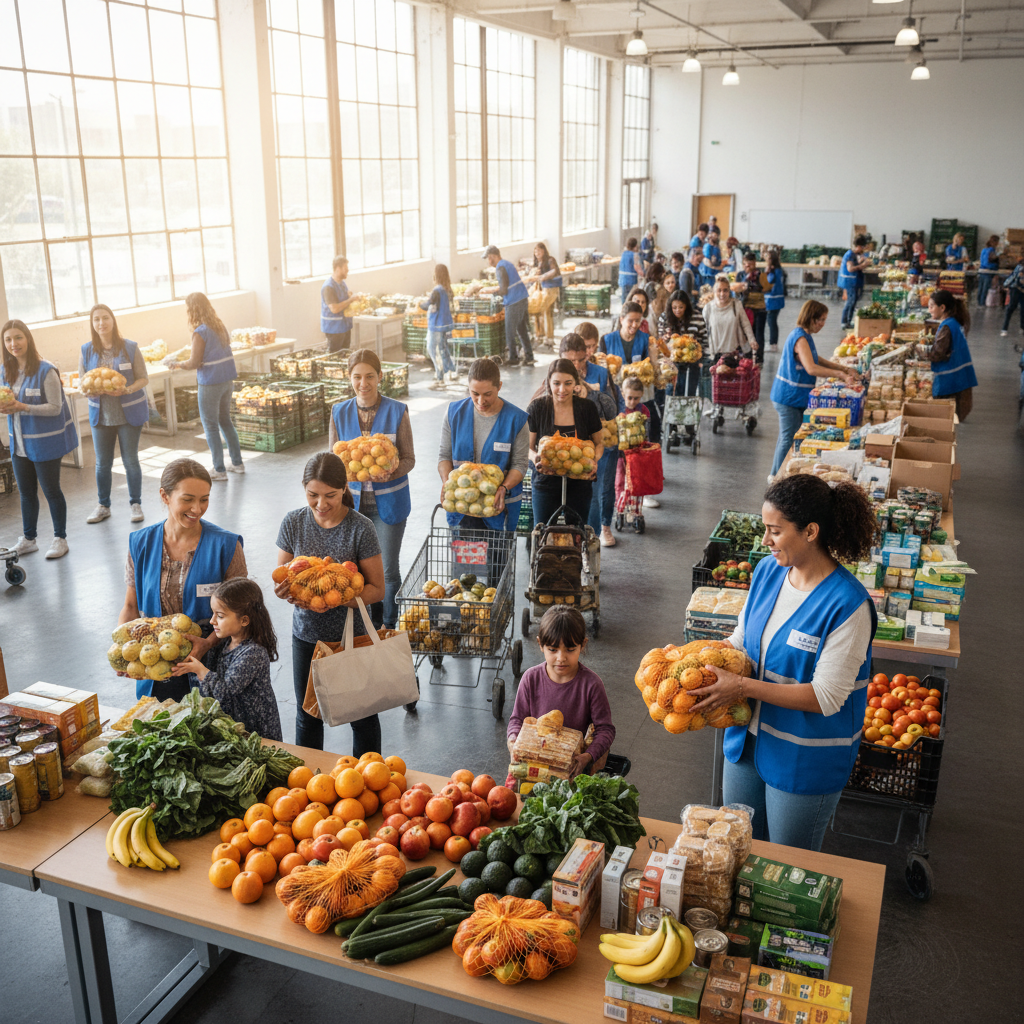
From a fellowship hall to a county infrastructure. The model is replicable. The need is everywhere.
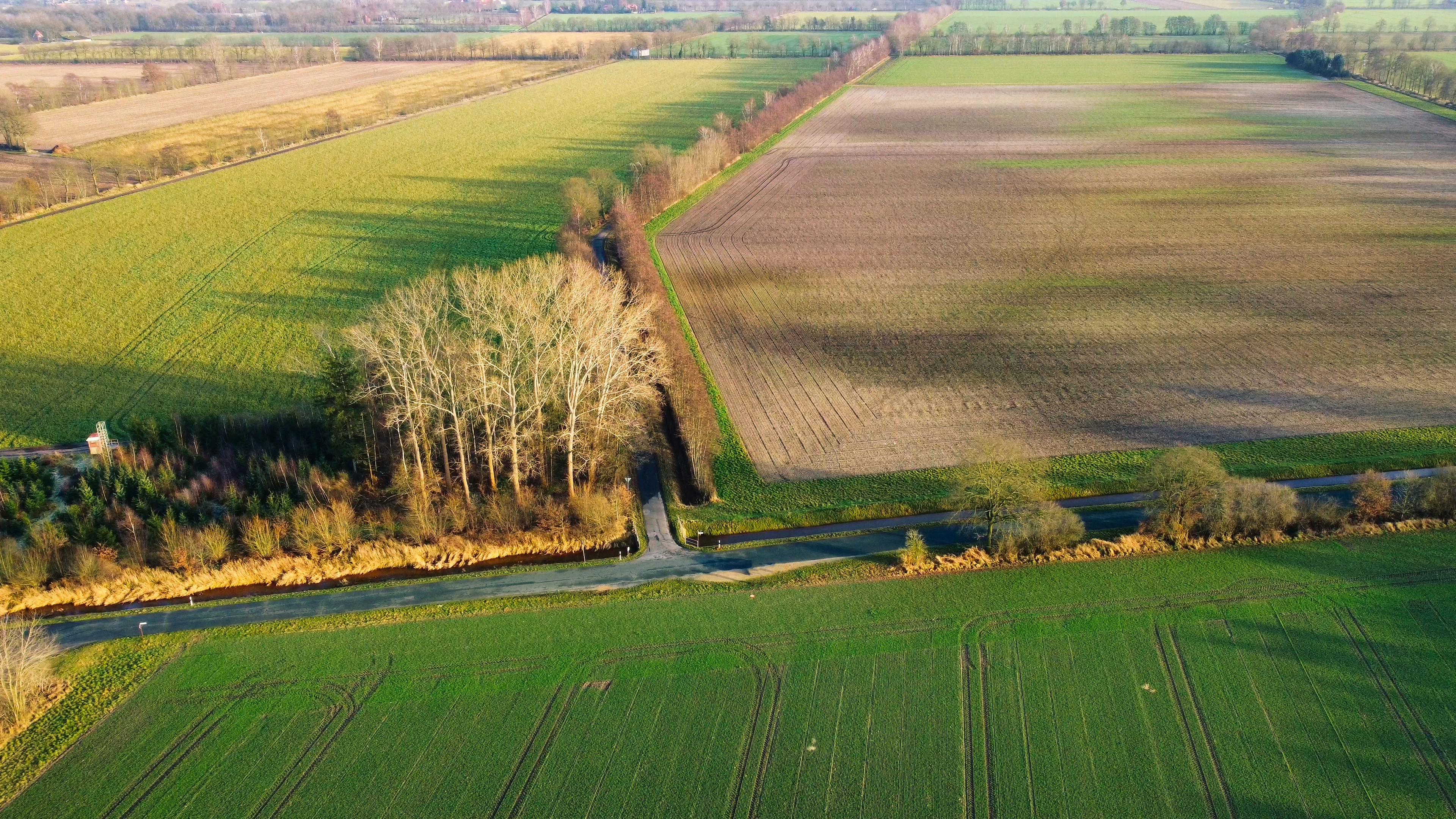
"Thirty acres of productive land. That's not a burden. That's a solution waiting for a route."
— Elena Vásquez, Founding Farmer Partner
14
Counties Served
From a single Millbrook route to a regional network spanning three watersheds.
63
Farm Partners
Family operations, co-ops, and retired farmers who found a new use for productive land.
218
Distribution Points
Churches, schools, community centers, and front doors — wherever families already gather.